Is IPL 2026 at risk: geopolitical tension and energy concerns
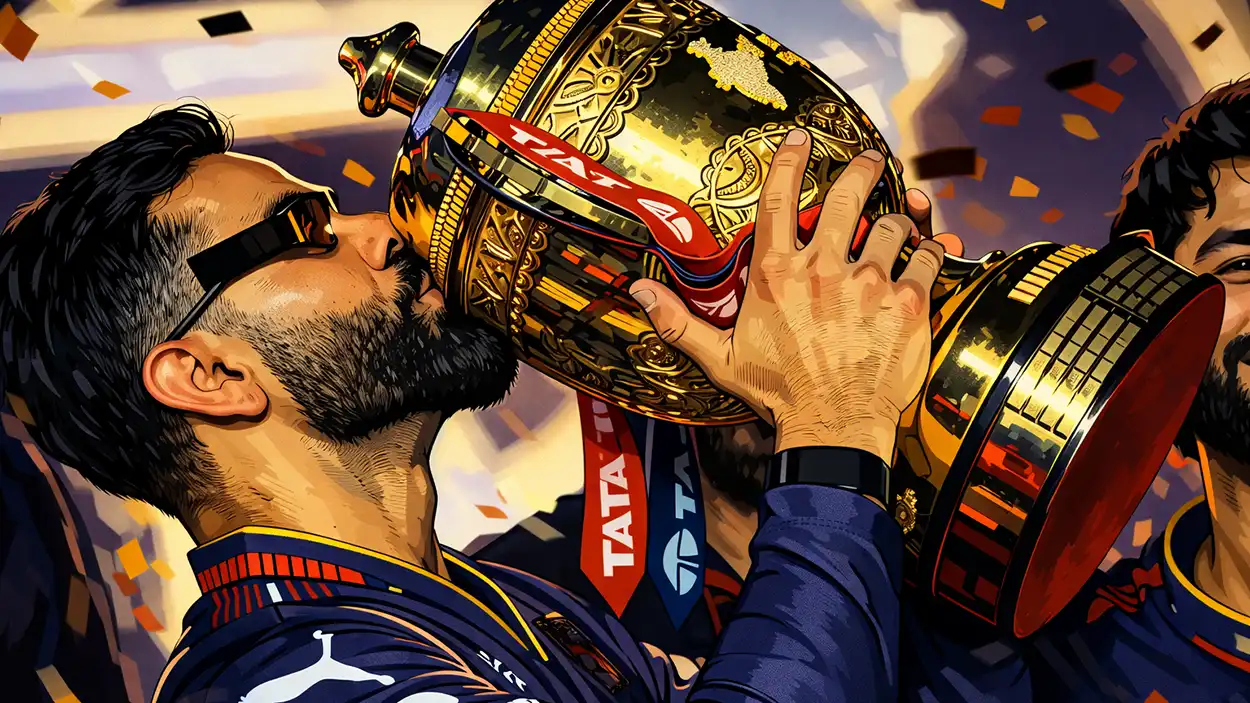
The Indian Premier League 2026 is scheduled to begin on March 28, with the final planned for May 31. At first glance, the tournament timeline remains unchanged, and preparations continue as expected. However, external factors are starting to influence discussions around the stability of the season. The combination of geopolitical tension and energy supply risks has introduced a layer of uncertainty that was not part of the original planning.
The situation is not directly linked to cricket operations, but its indirect effects could become relevant. IPL is a large-scale event involving logistics, travel, accommodation, and infrastructure across multiple cities. Any disruption in these systems can impact the tournament flow, even if matches themselves are not directly affected.
IPL 2026 is not under immediate threat, but external pressures are beginning to shape its operational environment.
How the global conflict connects to IPL logistics
The ongoing tensions involving the United States, Israel, and Iran have created instability in global energy markets. One of the key concerns is the Strait of Hormuz, a critical route for energy supplies. Reports indicate that disruptions in this region could trigger a broader energy shortage affecting multiple countries, including India.
For IPL, this becomes relevant due to its dependency on continuous infrastructure support. Teams travel across cities, stay in hotels, and rely on stable services throughout the tournament. Any disruption in fuel or gas supply can influence these systems, particularly in hospitality and transportation.
- Energy supply disruptions linked to global conflict
- Potential impact on transport and accommodation
- Increased operational uncertainty
- Indirect pressure on tournament logistics
While these factors are external, they form part of the wider environment in which IPL operates.
LPG shortage and its potential impact
The immediate concern within India is a developing Liquefied Petroleum Gas (LPG) shortage. The government has already taken steps to prioritise supply by invoking the Essential Commodities Act. This indicates that the issue is being treated as a serious resource allocation challenge.
The hospitality sector is among the first to feel the impact. Hotels across the country, which host IPL teams and staff for extended periods, rely heavily on LPG for daily operations. With all ten teams travelling and staying in different cities over two months, any supply disruption could create logistical complications.
| Factor | Impact area | Relevance to IPL |
|---|---|---|
| LPG shortage | Hospitality | Team accommodation |
| Energy constraints | Transport | Travel logistics |
| Government intervention | Resource allocation | Operational planning |
These elements do not stop the tournament directly, but they create additional layers of complexity.
Scheduling pressure and domestic factors
Alongside the energy situation, domestic scheduling is already under pressure due to elections in several Indian states. Assam, Tamil Nadu, and West Bengal are expected to hold elections, which may affect security availability and match planning.
Teams such as KKR, CSK, and RR could face adjustments depending on how these factors align with the schedule. This has already contributed to the decision to release the fixture list in phases rather than all at once.
- Elections impacting security deployment
- Staggered schedule release
- Potential venue adjustments
- Increased planning complexity
These are manageable challenges, but combined with external pressures, they add to the overall uncertainty.
IPL chairman Arun Dhumal has acknowledged the situation, but confirmed that there are currently no direct issues affecting the tournament. According to his statement, the organisers are monitoring developments rather than reacting to speculation.
The key point is that no formal complaints or disruptions have been reported by hotels or operational partners. This suggests that, at present, the system continues to function as planned. However, contingency planning remains in place.
The BCCI is observing the situation closely and will respond only if operational issues emerge.
Current outlook for IPL 2026
At this stage, IPL 2026 is still expected to proceed according to schedule. The opening match on March 28 remains unchanged, and no official postponement has been announced. The league continues to operate under standard preparation timelines.
That said, the environment around the tournament is more complex than usual. External geopolitical factors, energy supply concerns, and domestic scheduling pressures all contribute to a less predictable backdrop.
The most realistic scenario is not cancellation, but adaptive management. If conditions change, adjustments to logistics or scheduling may follow. Until then, IPL 2026 remains on track, with organisers maintaining a watchful approach.