IPL 2026 second phase shedule
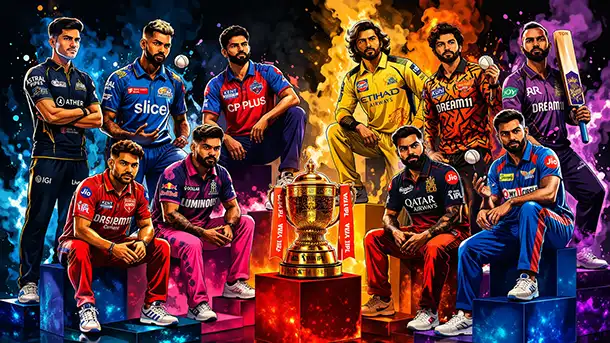
The second phase of IPL 2026 runs from April 13 to May 24 and reshapes the tournament in a much more demanding way than the opening block. If the first phase helped establish early positions, this section is where the league table starts to harden. Teams are no longer easing into the season. From here, almost every result directly affects playoff pressure, momentum and squad management.
What stands out immediately is the density of the calendar. The schedule becomes close to continuous, with only short gaps between rounds and repeated travel across major venues. This changes the nature of the competition. In the second phase, winning is not only about form or star players, but also about rotation, recovery and adaptability across different conditions.
Schedule structure and what it means
The second phase includes 50 league matches across Bengaluru, Mumbai, Chennai, Kolkata, Delhi, Ahmedabad, Hyderabad, Lucknow, Jaipur, Dharamshala, Raipur and New Chandigarh. That spread creates constant movement between batting-friendly grounds, slower surfaces and more balanced wickets. Teams that depend too heavily on one style can start losing edge once the venue cycle becomes less predictable.
Another important factor is the number of weekend double-headers. These fixtures increase the visual tempo of the league, but they also compress preparation windows. On paper, a team may have only one match every few days. In practice, travel, recovery sessions and tactical adjustment reduce that margin very quickly.
| Schedule element | Value | Why it matters |
|---|---|---|
| Second-phase matches | 50 | Long enough to reshape the table completely |
| Date range | April 13 – May 24 | Extended pressure over six weeks |
| Venues | 12 | Frequent shifts in conditions and travel load |
| Double-headers | 8 | Higher weekly intensity and less recovery time |
This is the point where IPL moves from an opening sample size into a full endurance test.
The first restart window is already heavy
The opening run after April 13 does not offer a soft restart. SRH vs RR begins the phase, followed immediately by CSK vs KKR, RCB vs LSG and MI vs PBKS. That sequence matters because several teams expected to compete for the top four are thrown into direct contests almost immediately.
This kind of restart favours teams that already know their playing identity. Sides still adjusting combinations or over-relying on one department can lose ground fast. The first seven to ten days of the second phase are not about building rhythm. They are about protecting position and avoiding unnecessary drops in the table.
Where the schedule becomes truly difficult
The hardest period comes once the tournament moves into repeated two-match weekends and short travel cycles. April 18 and 19 already form a double-header block, and the same pattern returns on April 25–26, May 3, May 10, May 17 and May 24. This creates a stop-start rhythm for fans, but for squads it means the opposite: constant workload with very little room for reset.
Teams with deeper benches gain a structural advantage here. A side with only one reliable opening combination or one dominant bowling pair may still look strong in isolated matches, but over a compressed run the squad has to absorb workload. That is where injuries, rotation and tactical flexibility begin to matter as much as raw form.
- pace attacks face heavier management pressure because of travel and repeated short turnarounds
- middle-order depth becomes more important once top-order form fluctuates
- captains have to adjust to venue shifts faster than in the first phase
- teams that win ugly during this stretch usually stay alive in the playoff race
Home advantage is less simple in this phase
At this stage of the tournament, home advantage still matters, but not in a uniform way. Some teams have stronger venue identity than others. Chennai and Lucknow can slow games down. Bengaluru can push scores upward. Kolkata and Ahmedabad are more flexible and can change character depending on the surface used.
Because the second phase is so spread out geographically, the value of home games depends not just on crowd support but on whether a team can actually translate venue familiarity into points. A side that wastes its home block often ends up chasing qualification on the road, which is rarely sustainable late in the league stage.
The last ten days are built for table drama
The final stretch of the second phase is where the schedule becomes most revealing. From mid-May onward, there are repeated matches involving direct contenders and very little margin for recovery. CSK, GT, KKR, MI, RR, RCB and PBKS all appear in fixtures that could directly influence the last playoff places.
The closing run is especially sharp because there are no easy narrative exits. On May 20 KKR face MI in Kolkata. On May 22 SRH host RCB. On May 23 LSG meet PBKS. On May 24 the phase closes with MI vs RR and KKR vs DC. That is the kind of finish where net run rate, squad health and one tactical error can reshape the final standings within 48 hours.
- The early week after April 13 sets immediate competitive pressure.
- The late-April and early-May blocks test squad depth more than first-choice quality.
- The final ten days are likely to decide playoff positions rather than merely confirm them.
Overall reading of the second phase
The second phase of IPL 2026 is not just longer than the first one. It is structurally harsher. The combination of 50 matches, 12 venues, repeated double-headers and a compressed finish turns this into the real sorting mechanism of the season. Teams that manage workload, use their home matches well and avoid inconsistency against direct rivals will separate themselves from the rest.
In simple terms, the first phase created the opening picture. The second phase is where the tournament becomes selective. This is the section of the calendar that rewards stability, punishes thin squads and makes every dropped point feel heavier than before.
When does the second phase of IPL 2026 take place?
How many matches are played in the second phase?
Why is the second phase considered more difficult?
What role do venues play in this phase?
When is the most important part of the second phase?

 Bet on IPL 2026